
The AI landscape in 2026 is moving at a breakneck pace, shifting from general-purpose chatbots to highly specialized, context-aware engines that understand the laws of our physical world. From the depths of computational physics to the comfort of our living rooms, the latest breakthroughs are proving that artificial intelligence is no longer just a tool—it is becoming an essential layer of our reality. Here is a deep dive into the most significant AI milestones shaping the industry this month.
The End of the ‘Black Box’: Physics-Informed Machine Learning
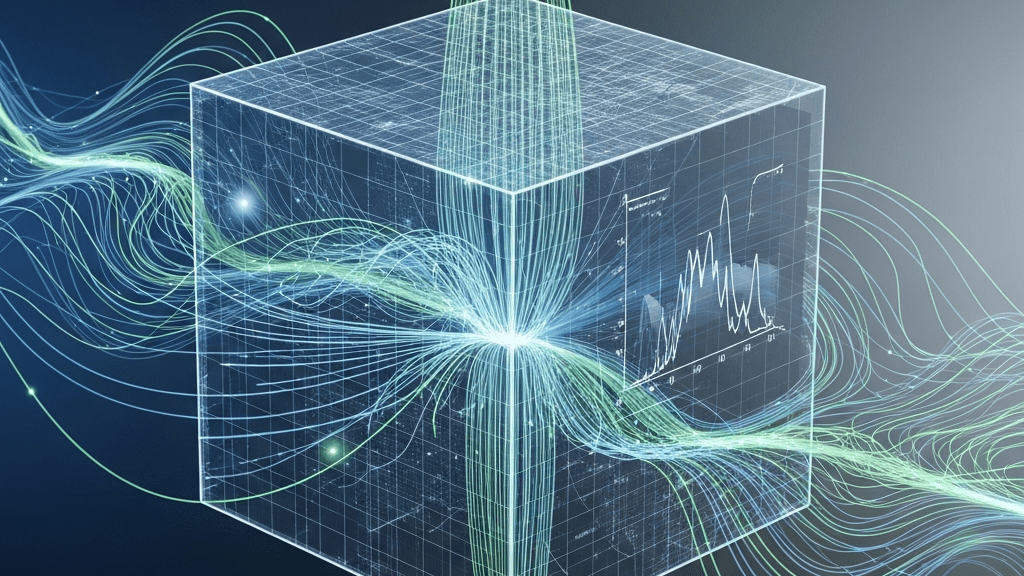
One of the most significant hurdles in AI has been the “black box” problem—models that provide answers without understanding the underlying logic of the physical world. Researchers at the University of Hawaiʻi at Mānoa have shattered this barrier. By developing a breakthrough physics-informed algorithm, the team has successfully integrated the fundamental laws of physics directly into the machine learning process.
Published in AIP Advances, this method ensures that AI predictions in fluid dynamics and climate modeling remain physically plausible, even when datasets are sparse or noisy. For experts in engineering and meteorology, this is a game-changer. It moves us away from pure statistical correlation and toward a future where AI respects gravity, thermodynamics, and fluid mechanics, leading to safer infrastructure and more accurate climate forecasting.
YouTube Brings Conversational AI to the Big Screen
The “lean-back” experience of watching TV is becoming a “lean-forward” interactive journey. YouTube is currently testing conversational AI specifically optimized for smart TVs. Previously limited to mobile devices, this feature allows viewers to engage in real-time dialogue with their television. Imagine asking your TV, “What are the key takeaways from this documentary?” or “Show me more videos like this,” without ever pausing the action.
This integration represents a massive leap in how generative AI handles voice-driven interactions in a shared household environment. By refining how LLMs interpret natural language in a living room setting, Google is redefining the smart TV as an active participant in home entertainment rather than a passive display.
Reddit’s AI Evolution: From Community Threads to Shopping Intelligence
Reddit is finally leveraging its most valuable asset—authentic human conversation—to take on traditional search engines. The platform is testing a new AI-powered shopping search feature that uses LLMs to synthesize years of community advice and peer reviews into concise product summaries.
While traditional search results are often cluttered with SEO-optimized marketing content, Reddit’s new tool surfaces genuine pros and cons from real users. This move allows Reddit to monetize its vast trove of human-generated data while providing high-intent shoppers with a streamlined path from discovery to purchase. For the AI industry, this is a masterclass in how to apply generative AI to unstructured, human-centric data.
Unlocking the Chemistry of High-Pressure Environments
In a stunning advancement for materials science, a new AI framework has been unveiled that decodes the complex chemistry of high-pressure environments. Understanding how elements behave under extreme pressure is vital for everything from aerospace engineering to discovering new superconducting materials. This framework allows researchers to simulate molecular interactions that were previously too computationally expensive to model, opening the door to a new era of synthetic chemistry and planetary science.
As we move further into 2026, the trend is clear: AI is becoming more grounded, more interactive, and more deeply integrated into the specific niches of human knowledge and daily life. Stay tuned as we continue to track these incredible breakthroughs!
Source: Read the full article here.