
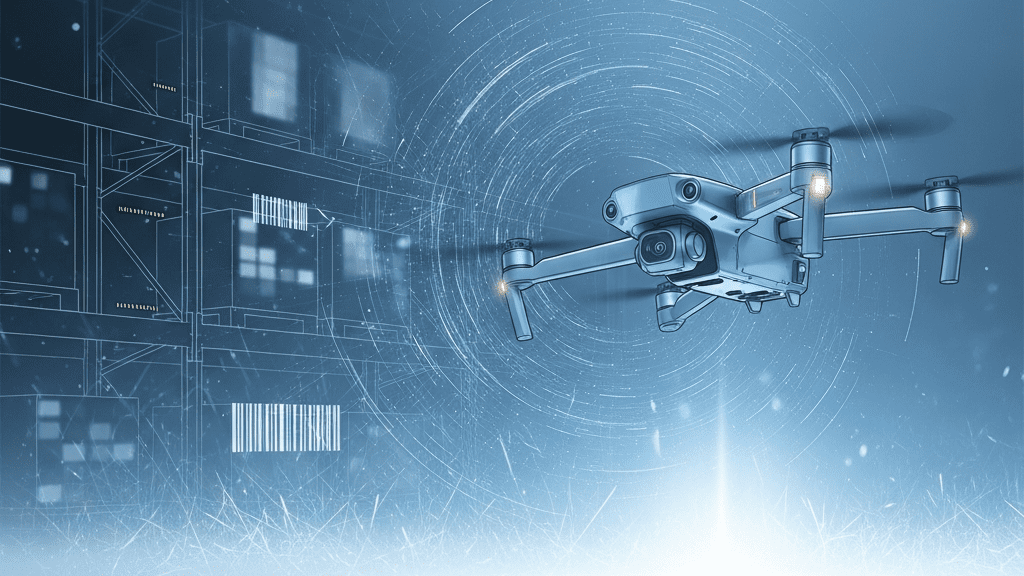
For years, the cold chain has been the final frontier for warehouse automation. While standard logistics centers have seen a surge in robotic adoption, the extreme environments of industrial freezers—where temperatures plummet to -20°F—have remained notoriously hostile to hardware. Between battery failure, sensor condensation, and the sheer mechanical strain of sub-zero operations, most robotics platforms simply couldn’t take the heat—or rather, the cold. That changes today.
Corvus Robotics has officially shattered this barrier with the launch of Corvus One for Cold Chain. This isn’t just a ruggedized version of an existing drone; it is a ground-up re-engineering of autonomous flight designed specifically to thrive where traditional automation fails. By deploying physical AI into the harshest corners of the warehouse, Corvus is providing logistics leaders with unprecedented visibility into their most challenging inventory.
Engineering for the Extremes
Operating a high-precision aerial system in a freezer is a massive engineering hurdle. Corvus Robotics CEO Jackie Wu noted that the Corvus One required a complete re-architecture of core systems. To maintain autonomy and accuracy in environments ranging from ambient temperatures to -20°F, the team had to solve for thermal management, onboard perception, and flight stability.
The system features several key technological breakthroughs:
- Advanced Thermal Management: Internal components are protected against extreme temperature swings and condensation, preventing the hardware failures that plague standard electronics.
- Industrial-Grade Scanning: Equipped with high-end barcode scanners, the system maintains precise control over focus and exposure. This allows it to bypass the glare, frost, and ice buildup that typically render labels unreadable.
- Active Flight Stabilization: Freezer environments are characterized by high-velocity airflow from industrial blowers. The Corvus One automatically compensates for these gusts, ensuring stable flight even while freezer doors are active.
Transforming Cold Storage Operations
The implications for warehouse managers are profound. In the cold chain, SKU velocity is high, and strict First-In, First-Out (FIFO) requirements are non-negotiable. Manual inventory counts in these environments are not only slow but also physically demanding for workers, leading to high turnover and safety risks.
Corvus One for Cold Chain addresses these pain points by delivering frequent, fully autonomous cycle counts. This high-frequency auditing provides real-time data on pallet positions and dwell times, which is critical for reducing write-offs of perishable goods and optimizing tight freezer space.
Improving Safety and Labor Efficiency
Beyond the data, there is a significant human element. Cold storage operations drive higher labor costs because associates require specialized gear and limited exposure windows. By delegating routine inventory tasks to the Corvus One, facilities can keep their human workforce out of hazardous sub-zero aisles, significantly reducing safety risks and labor overhead.
Proven in the Field: The Kroger Partnership
This isn’t just a conceptual leap; it’s already happening in the real world. National grocery giant Kroger has already integrated Corvus One for Cold Chain into its live freezer operations. By utilizing this autonomous system, Kroger is achieving consistent inventory visibility and drastically reducing its reliance on manual counts in sub-zero conditions.
As the demand for frozen goods continues to rise and supply chains become more complex, the ability to automate the “un-automatable” will be a key differentiator. Corvus Robotics has proven that even at -20°F, the future of logistics is looking very bright.
Source: Read the full article here.