The scientific community has just received an unprecedented gift in the quest to understand the fabric of our universe. After six years of meticulous data collection and analysis, the Dark Energy Survey (DES) Collaboration has released a landmark study that provides our clearest picture yet of cosmic expansion and the elusive force known as dark energy. Utilizing the 570-megapixel Dark Energy Camera (DECam) mounted on the Víctor M. Blanco 4-meter telescope, researchers have processed a staggering 758 nights of observations to redefine our cosmological boundaries.
The Power of 669 Million Galaxies
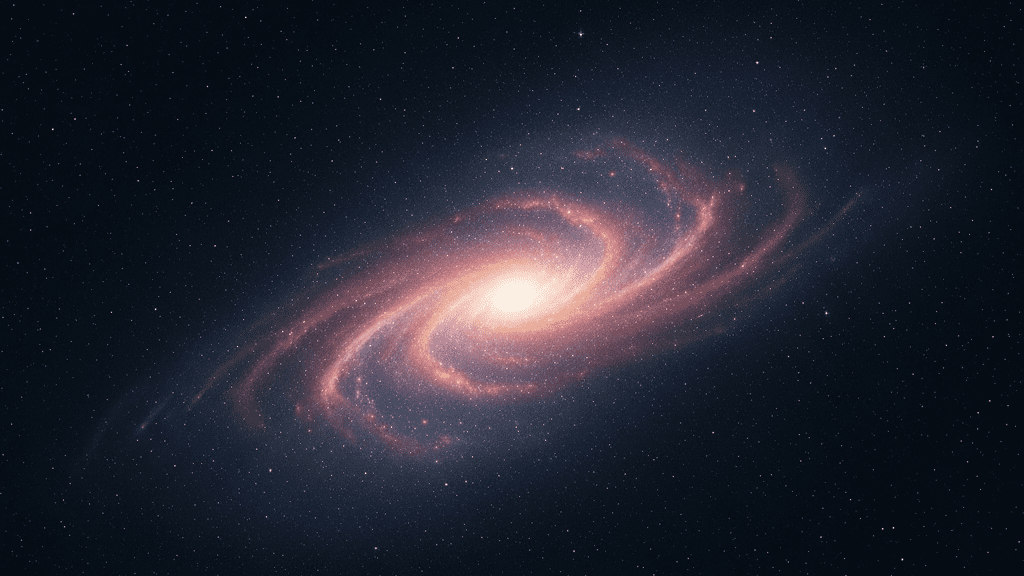
This isn’t just another data set; it is a monumental census of the cosmos. Between 2013 and 2019, DECam surveyed one-eighth of the night sky, capturing light from 669 million galaxies, some of which are located billions of light-years away. By analyzing this deep, wide-area survey, scientists have effectively doubled the strength of the constraints on dark energy’s influence. This leap in precision is a critical step toward identifying the true nature of the force that currently dominates 68% of the total energy and matter budget of the universe.
A Unified Front in Cosmological Analysis
What sets this specific analysis apart from previous studies is its sophisticated methodology. For the first time, researchers successfully united four separate analytical methods to study dark energy as a single, cohesive framework. While the investigation famously utilized Type-Ia supernovas—the “standard candles” of astronomy—it integrated three additional probes of cosmic structure and expansion. This holistic approach reduces statistical noise and provides a more robust confirmation of how dark energy competes with the gravitational pull of matter.
The Expanding Problem: Gravity vs. Dark Energy
The mystery of dark energy dates back to 1998, when observations revealed that the universe’s expansion isn’t just continuing—it’s accelerating. Scientists have identified a pivotal shift in cosmic history occurring between 3 and 7 billion years ago. During this era, the repulsive effect of dark energy began to overwhelm the attractive force of gravity on a macroscopic scale, fundamentally changing the trajectory of the universe’s growth.
Key highlights from the DES findings include:
- Unprecedented Precision: Doubling the constraints on dark energy parameters compared to earlier datasets.
- Massive Scale: Observations spanning 758 nights, covering a significant portion of the southern sky.
- Long-term Investment: Demonstrating how a decade of research and multi-agency cooperation (NSF, DOE, and international partners) yields high-impact results.
Mapping the Future of Space-Time
These results from the DES do more than just confirm existing theories; they sharpen the tools we use to predict the ultimate fate of the universe. By refining our understanding of how dark energy has evolved over the last 13.8 billion years, we are moving closer to answering the most fundamental questions in physics. As we look toward the next generation of observatories, the DECam data stands as a masterclass in how big data and collaborative science can shine a light on the darkest corners of our reality.
Source: Read the full article here.