The cybersecurity landscape is shifting beneath our feet. We’ve entered a new epoch—the AI era—where the speed, scale, and sophistication of digital threats have reached unprecedented levels. But here is the exciting part: while bad actors are using large language models to refine their tactics, the defenders are hitting back with even more powerful innovations. At Google, we aren’t just reacting to this evolution; we are fundamentally reimagining what it means to protect billions of users worldwide.
The Evolution of the Threat Landscape in the AI Era
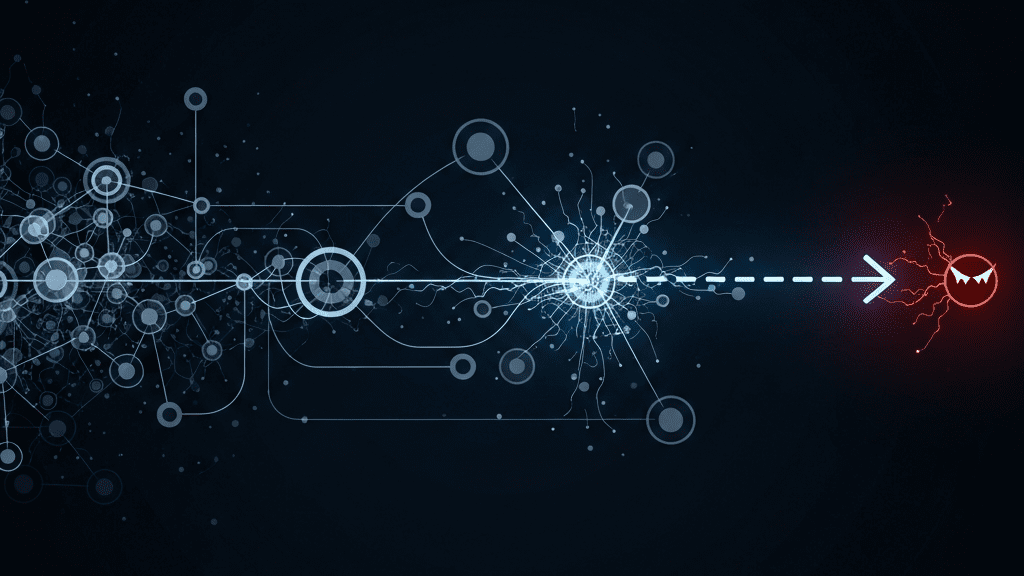
For decades, malware and phishing were largely a game of numbers and signatures. Today, generative AI has changed the math. We are seeing attackers use AI to craft highly personalized phishing campaigns, generate polymorphic malware that evades traditional detection, and automate the discovery of vulnerabilities. This shift requires a paradigm change from reactive security to proactive, intelligence-driven defense.
AI-Powered Threat Intelligence: Staying Two Steps Ahead
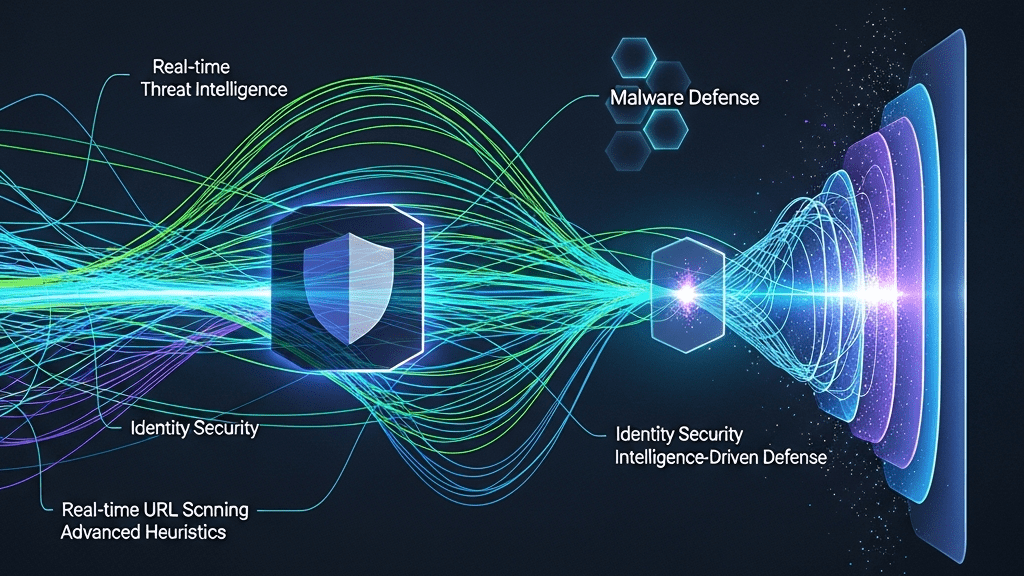
To combat AI-driven threats, Google leverages its massive global telemetry and cutting-edge machine learning models. Our threat intelligence isn’t just about identifying known bad actors; it’s about predicting future behavior. By training our models on trillions of signals across Gmail, Chrome, and the broader web, we can now detect emerging patterns of malicious intent before a single payload is ever delivered.
- Real-time URL Scanning: Google Safe Browsing now uses high-performance AI models to evaluate web pages in real-time, identifying 25% more phishing attempts than traditional methods.
- Advanced Heuristics: We are moving beyond static signatures to analyze the behavioral traits of code, allowing us to flag zero-day malware that has never been seen before.
- Large Language Models (LLMs) for Analysis: Our security researchers use specialized LLMs like Sec-PaLM 2 to analyze massive amounts of security data, turning complex telemetry into actionable intelligence at lightning speed.
Identity Security: The New Perimeter
In the AI era, identity is the most critical layer of defense. Traditional passwords are no longer enough to stop sophisticated credential-stuffing attacks. This is why Google is doubling down on identity security. By integrating AI-driven risk assessment into the authentication process, we can detect suspicious login attempts based on contextual signals like device health, location, and behavioral biometrics.
The move toward Passkeys is a cornerstone of this strategy. By utilizing public-key cryptography and on-device biometrics, we are effectively neutralizing the threat of phishing, ensuring that even if an attacker tricks a user, they cannot gain access to the account.
Empowering Every User with Intelligent Protection
What makes Google’s approach unique is our ability to scale these expert-level protections to every single user, regardless of their technical expertise. Whether it’s the automated protection in Gmail that blocks 99.9% of spam and malware or the built-in security of Google Chrome, we are making the AI era safer for everyone. We aren’t just building tools; we are building a resilient ecosystem that learns and grows stronger with every threat it encounters.
The challenge is significant, but the opportunity to build a more secure internet is even greater. By combining world-class threat intelligence with the transformative power of AI, we are ensuring that the future of the digital world is built on a foundation of trust and security.
Source: Read the full article here.