
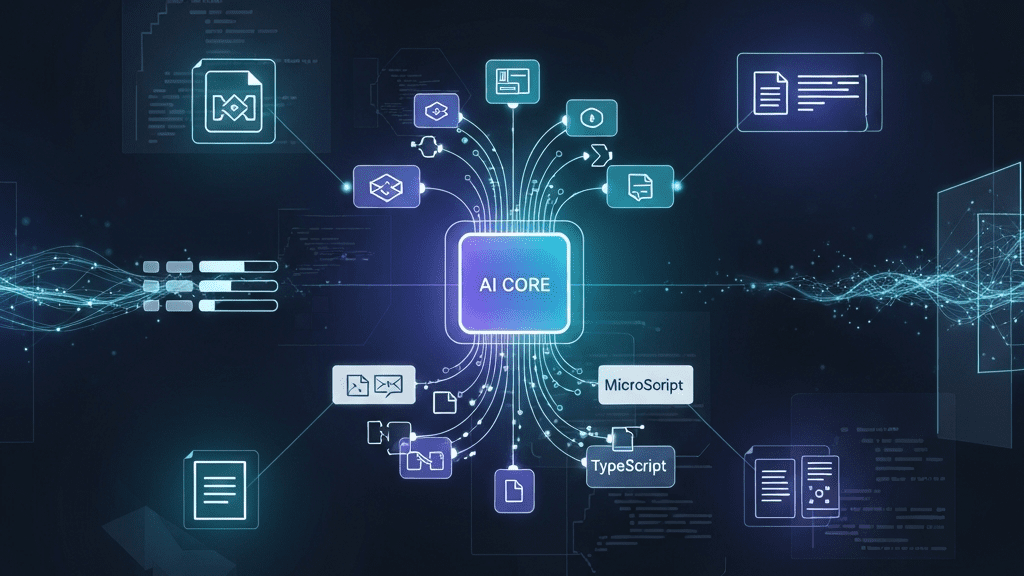
March 2026 has officially arrived, and it is proving to be a watershed moment for the software engineering industry. We are witnessing a seismic shift from AI as a mere coding assistant to AI as a deeply integrated, proactive collaborator. This month’s breakthroughs in Integrated Development Environments (IDEs) and autonomous agent frameworks aren’t just incremental updates—they represent a fundamental redesign of the developer workflow.
The Rise of Truly Context-Aware AI IDEs
The latest generation of AI-integrated IDEs has moved far beyond simple line completion. We are now seeing environments that possess a semantic understanding of entire multi-repo architectures. These tools don’t just suggest the next function; they predict architectural requirements and refactor TypeScript codebases in real-time to maintain strict type safety across microservices. The integration is so seamless that the boundary between the compiler and the AI model has effectively vanished, offering developers an unprecedented level of flow-state productivity.
Autonomous Agent Frameworks: From Suggestion to Execution
Perhaps the most exciting development this month is the maturity of autonomous agent frameworks. We have moved from “Copilots” to “Autopilots.” These agents are now capable of taking a high-level requirement—such as “implement a new authentication flow with OAuth2 and update the documentation”—and executing the entire task autonomously. These frameworks can now:
- Navigate complex file systems to identify necessary changes.
- Write and execute unit tests to validate their own logic.
- Self-correct based on linting errors and type-check failures.
- Submit comprehensive Pull Requests with detailed summaries of the logic used.
Why TypeScript is Leading the Charge
It’s no coincidence that many of these breakthroughs are centered around the TypeScript ecosystem. The language’s robust type system provides the structural guardrails that autonomous agents need to operate reliably. By leveraging the metadata provided by TypeScript, AI agents can verify their work with mathematical certainty before a human even lays eyes on the code. This synergy is setting a new standard for WebDev reliability and speed.
The Shift in the Developer’s Role
As these tools become more sophisticated, our roles as developers are evolving. We are transitioning from manual code-writers to high-level architects and systems orchestrators. The focus is shifting from the how to the what. With AI handling the boilerplate and the implementation details of autonomous agents, the creative potential for developers has never been higher. It is a thrilling time to be in tech, and these March breakthroughs are just the beginning of a new era of software craftsmanship.
Source: Read the full article here.