NASA is standing on the precipice of history once again as the Artemis 2 mission nears its next major milestone. This week, the agency will return to the pad at Kennedy Space Center for a high-stakes second attempt at the Wet Dress Rehearsal (WDR)—a grueling, comprehensive test designed to ensure the Space Launch System (SLS) is ready to carry humans back to lunar vicinity.
The Mission: A Crewed Leap Forward
Artemis 2 isn’t just another launch; it represents the first time since the Apollo era that a crew will strap into an Orion capsule atop the SLS mega-rocket to venture toward the Moon. Before these four astronauts can make their historic journey, NASA must prove that its ground systems and the rocket’s cryogenic plumbing can handle the immense pressure of a full-scale countdown.
Overcoming the Liquid Hydrogen Hurdle
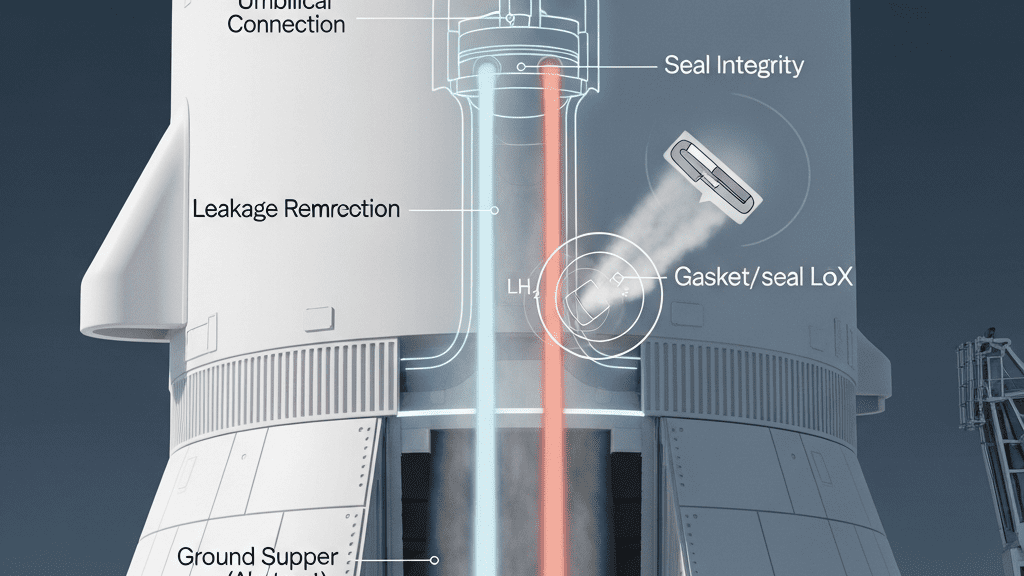
The path to the pad is rarely smooth when dealing with supercooled propellants. The initial Wet Dress Rehearsal, which kicked off on January 31, was cut short after teams detected a liquid hydrogen (LH2) leak. The culprit was located at the Tail Service Mast Umbilical (TSMU), the critical interface where the mobile launch tower feeds fuel into the rocket’s core stage.
Veterans of the Artemis 1 campaign will find this scenario familiar. The uncrewed mission in 2022 faced similar LH2 leaks that delayed its launch by several months. However, the engineering teams have used those lessons to refine their approach, emphasizing that these tests are specifically designed to find and fix these exact vulnerabilities before a crew is on board.
Precision Engineering and the Confidence Test
Following the leak detection, NASA technicians moved swiftly to replace two vital seals within the TSMU. To validate the repair, the team conducted a “confidence test” on February 12. While a minor issue with ground support equipment restricted the flow of LH2 during that window, the mission team successfully met several key objectives, giving them the green light to proceed with the full rehearsal.
The Road Ahead: 700,000 Gallons of Power
Starting Thursday, February 19, NASA plans to load more than 700,000 gallons of liquid hydrogen and liquid oxygen into the SLS. This two-day operation will simulate a full launch countdown, testing every system right up to the point of ignition. Here is what the team will be watching for:
- Seal Integrity: Ensuring the newly installed TSMU seals hold firm under cryogenic temperatures.
- Ground Support Coordination: Verifying that the complex network of lines and pumps can deliver propellant without interruption.
- Timeline Precision: Managing the intricate dance of the countdown clock to prepare for a real-world launch window.
This upcoming test is a vital component of NASA’s rigorous safety protocol. By pushing the SLS to its limits on the ground, NASA ensures that when the engines finally roar to life for the Artemis 2 mission, the path to the Moon is as safe and secure as possible. Stay tuned—the era of human deep-space exploration is officially back in high gear.
Source: Read the full article here.