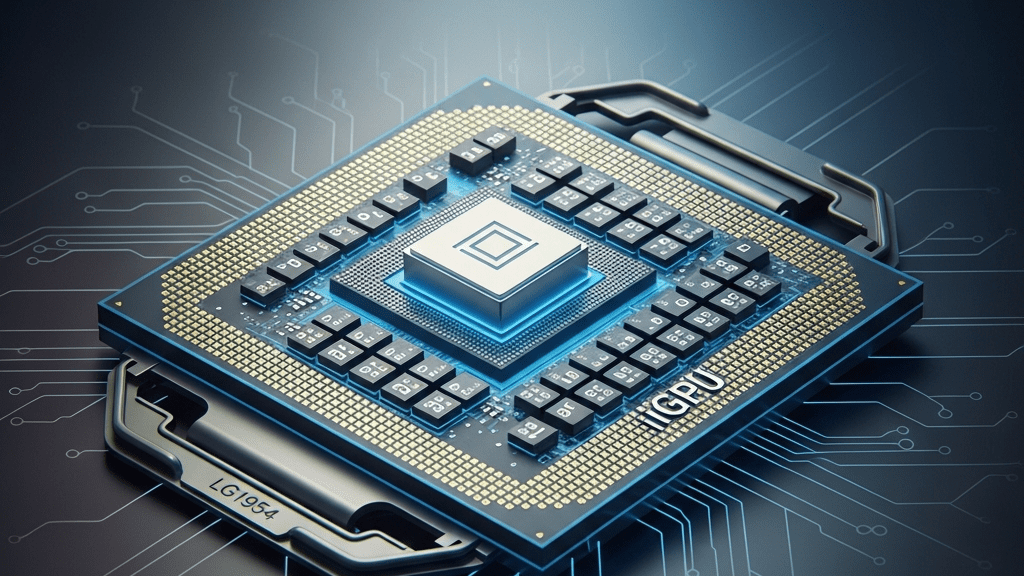

For decades, the Windows laptop market has been a two-horse race defined by the x86 duopoly of Intel and AMD. But the landscape is about to undergo its most seismic shift since the introduction of the first portable PC. Nvidia, the undisputed king of discrete graphics, is officially stepping into the ring as a platform provider. Leaked internal documents and support pages confirm that Nvidia’s highly anticipated N1 and N1X Arm-based processors are set to power at least eight new laptops from industry giants Lenovo and Dell this spring.
The Lenovo Leak: Six Machines Primed for Power
The scale of Nvidia’s ambitions became clear following a massive data leak involving Lenovo, the world’s largest PC manufacturer. Evidence found in Lenovo’s internal support portals and “Legion Space” software updates points to six distinct models built around the Nvidia N1 architecture. This isn’t just a niche experiment; it’s a full-scale assault across multiple categories:
- The Mainstream: 14-inch and 16-inch IdeaPad Slim 5 models, designed for high-efficiency daily productivity.
- The Prosumer: Two variants of the Yoga Pro 7 (15-inch) and a flagship Yoga 9 convertible 2-in-1, blending premium build quality with Arm-based longevity.
- The Heavyweight: The Legion 7 15N1X11, a dedicated gaming rig that marks the first time Nvidia will provide both the CPU and GPU silicon for a high-performance Windows gaming machine.
The existence of dedicated “Nvidia N1x” production portals within Lenovo’s infrastructure suggests that these machines aren’t just prototypes—they are in the final stages of validation for a Spring 2026 release.
The N1X Performance: Desktop-Class Power on a Chip
While the move to Arm architecture usually focuses on battery life, Nvidia is doubling down on raw performance. Early Geekbench leaks and architectural deep dives suggest that the flagship N1X chip is a monster. We are looking at a 20-core CPU paired with a GPU subsystem that reportedly packs as many CUDA cores as a desktop-class RTX 5070.
By integrating their world-leading GPU architecture directly into the System-on-Chip (SoC), Nvidia is bypassing the bottlenecks that have traditionally plagued laptop designs. This isn’t just another chip; it’s a unified high-performance platform that could finally offer Windows users the same performance-per-watt advantage that Apple Silicon brought to the macOS ecosystem.
Dell and Alienware Join the Fray
Lenovo isn’t the only player betting big on Nvidia’s silicon. Dell is also preparing to disrupt the market with at least two confirmed systems. Reports indicate a high-end Alienware gaming laptop is in the works, alongside a premium Dell system—likely a rebranded XPS or a new flagship tier—utilizing the N1X chip. With Dell and Lenovo on board, Nvidia has secured the two most critical partners needed to challenge the status quo and ensure that “Nvidia Inside” becomes the new gold standard for high-end Windows computing.
A Multi-Year Vision for the PC Platform
Perhaps most exciting for tech enthusiasts is that Nvidia isn’t looking at this as a one-off product cycle. Roadmap leaks from Digitimes suggest that the N2 and N2X successors are already scheduled for a late 2027 release. Nvidia is building a multi-generational platform designed to dominate the next decade of AI-integrated computing.
As we head toward the Spring 2026 launch, the message is clear: the era of Nvidia as just a “graphics card company” is over. We are witnessing the birth of a new third pillar in the PC processor market, and if the specs on the N1X are any indication, Intel and AMD should be very, very concerned.
Source: Read the full article here.